
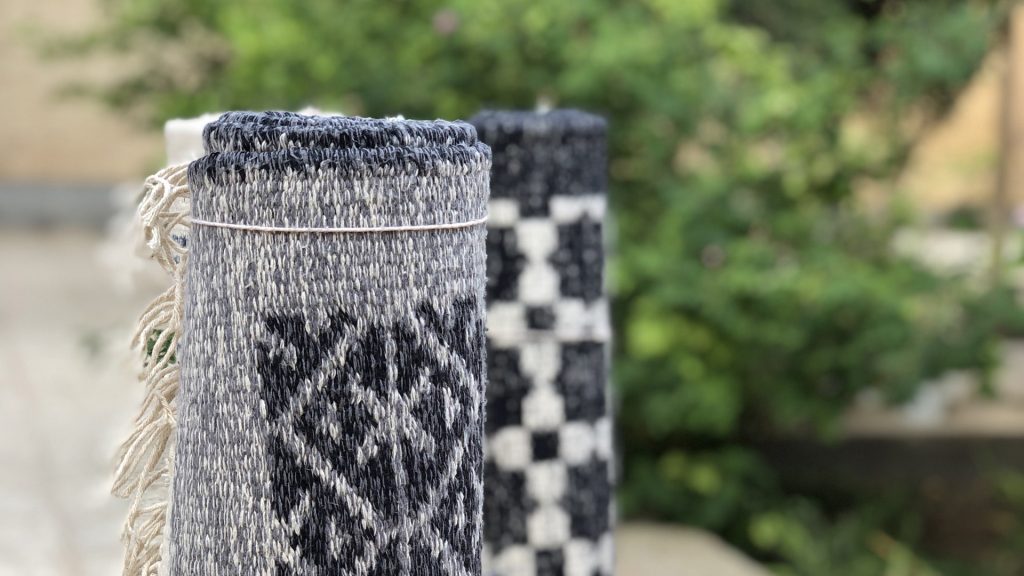
Across the vast and diverse landscapes of Iran, handmade textiles have long been an essential part of everyday life. Among the oldest and most culturally significant of these flatweaves are kilim and zilou—two traditional rugs, each carrying a unique story told through their materials, techniques, patterns, and functions.
Though both are categorized as flat-woven rugs, kilims and zilous reflect different aspects of Persian craftsmanship, shaped by geography, lifestyle, and even climate.
1. Materials: Wool and Cotton, Two Different Origins
Kilim is traditionally woven from wool—a natural fiber derived from animals, valued for its warmth and elasticity, making it ideal for colder regions.
Zilou, on the other hand, is entirely woven from cotton—a lightweight, plant-based material that is soft on the skin and better suited to Iran’s hot and arid central deserts.
Each fiber offers distinct benefits: wool is insulating and more resilient to humidity and temperature changes, while cotton provides a soft, breathable texture that aligns with vegan values and is gentle for sensitive skin.
2. Weaving Technique: Fluid vs. Structured
A fundamental difference lies in the weaving technique.
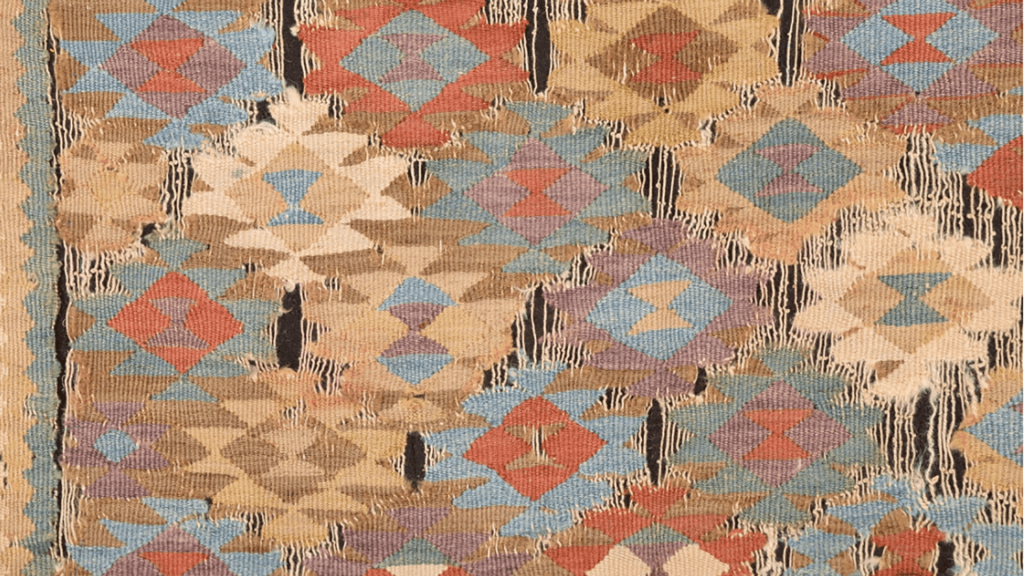
In kilim weaving, the design emerges as colored wool threads pass over and under the vertical warps. This method offers flexibility and allows for great variation in colors and motifs, often reflecting the weaver’s personal expression.
Zilou weaving is more structured and intricate. The design is pre-mapped, and the warps are grouped based on the pattern. The weaver stands during the entire process and uses a tool called a kali to shift the grouped warps and insert the weft, together forming the design.
This distinctive method results in double-sided rugs—the front and back displaying the same pattern in inverse colors, much like a textile negative.
3. Color and Motif: Variety vs. Repetition
Their visual languages stand in striking contrast.
Kilim designs are diverse and colorful. With a broad palette and wide range of motifs, each kilim becomes a unique artistic statement—often inspired by folklore, daily life, or nature.
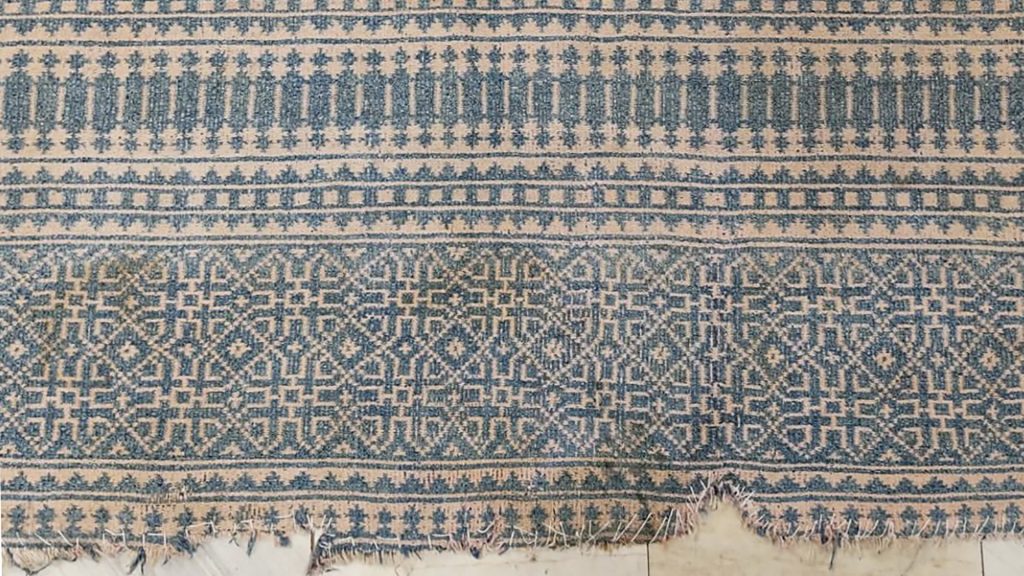
Zilous, on the other hand, draw their beauty from restraint. Defined by minimal, geometric, and repetitive patterns, they reflect a quiet elegance and a deep connection to their desert roots—a timeless design language shaped by simplicity and intention.
4. Everyday Use and User Experience
Both serve practical purposes in the home, but each offers a different experience.
Kilims are lighter, easy to move, and add a cozy warmth to the space. Their colorful aesthetics make them a perfect fit for traditional or eclectic interiors.
Zilous, with their dense cotton weave, don’t slip or bunch up on smooth floors. They offer a softer feel for sitting or walking, making them especially suitable for minimalist interiors or households with children, seniors, or those with sensitive skin.
The cotton’s gentle touch makes zilou a more skin-friendly option, while some may find wool kilims a bit irritating, especially for prolonged contact.
5. Historical Background and Documentation
Both kilim and zilou have deep roots in Iranian history.
Kilim has been woven in various regions—from the western mountains to southern and northern provinces—playing a vital role in nomadic and rural life. Historical samples and museum pieces testify to the artform’s longevity and wide reach.
Zilou, however, has been especially prominent in central Iran, particularly in desert towns. What makes it exceptional is the tradition of weaving inscribed pieces for mosques and sacred spaces. These zilous often bear woven inscriptions including the name of the weaver, the donor, the date, and the place of origin. Such documentation offers scholars valuable insight into the evolution and cultural context of zilou over time.
Curious to learn more? Check out our article: “Zilou: An Art Steeped In History.”
In Conclusion: Difference, Not Superiority
Kilim and zilou are two distinct expressions of a shared legacy. Both reflect artisanal skill, regional needs, and a deep connection to nature.
Zilou, with its orderly geometry, is the echo of the desert’s stillness.
Kilim, with its rich colors and dynamic motifs, is the reflection of nomadic life in motion.
Rather than comparing them in terms of superiority, it’s more meaningful to recognize their individuality. The right choice comes down to your taste, lifestyle, and the atmosphere you want to create.
If you’re curious to see how zilou fits into today’s interiors, explore our product gallery. You’ll discover contemporary interpretations of this timeless craft—woven for modern living.